
The modern workplace has become permanently connected.
- Work No Longer Has Clear Boundaries
- Productivity Tools Accidentally Created More Noise
- Meetings Became a Substitute for Decision-Making
- AI Is Making the Problem More Complicated
- The Attention Economy Entered the Workplace
- Companies Are Starting to Realize “Busy” Is Not the Same as Effective
- The Future Workplace May Prioritize Focus Again
- Technology Improved Work — but Also Changed Human Behavior
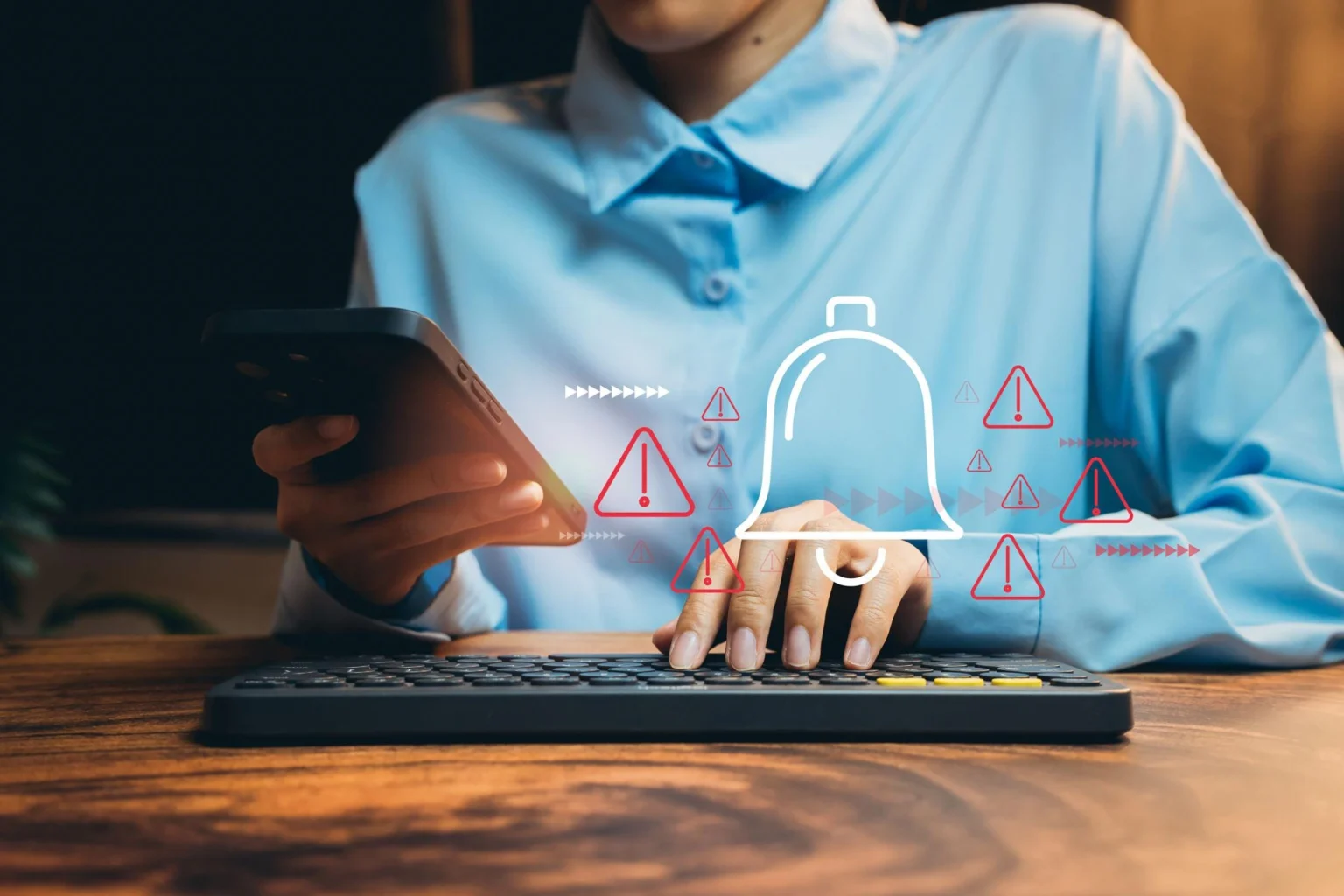
Messages arrive every few minutes. Meetings fill calendars from morning to evening. Notifications constantly flash across laptops and phones. Employees remain available on Slack, Teams, email, WhatsApp, and project management tools almost the entire day.
Yet despite being more connected than ever, many professionals feel strangely unproductive.
Not lazy.
Not inactive.
Just mentally exhausted without feeling genuinely accomplished.
This has quietly become one of the biggest problems in the digital work economy.
Work No Longer Has Clear Boundaries
A decade ago, work usually existed inside offices and fixed schedules.
Today, work follows people everywhere.
An employee might answer emails during dinner, review documents late at night, or join meetings from home while simultaneously handling personal responsibilities. The line separating “working” from “being available” has become increasingly blurred.
And that constant accessibility creates a psychological effect many companies underestimated:
people feel permanently busy, even when meaningful output stays low.
Productivity Tools Accidentally Created More Noise
Ironically, many tools designed to improve productivity ended up increasing distraction.
Modern employees switch continuously between:
video calls, chat apps, dashboards, task boards, analytics tools, cloud documents, and internal notifications.
Instead of deep focus, workdays become fragmented into hundreds of small interruptions.
Research across workplace behavior repeatedly shows that context switching reduces concentration significantly. But modern digital work environments almost encourage constant interruption.
Being responsive often gets rewarded more visibly than doing focused work.
Meetings Became a Substitute for Decision-Making
One major reason employees feel drained is meeting overload.
Many organizations unintentionally use meetings as a way to manage uncertainty rather than solve problems efficiently.
Small discussions turn into recurring calls.
Status updates become hour-long sessions.
Large groups attend meetings where only a few people actively contribute.
The result is a work culture where employees spend most of the day discussing work instead of actually doing it.
And because calendars stay full, people push real tasks into evenings or weekends, creating even more burnout.
AI Is Making the Problem More Complicated
Artificial intelligence was supposed to save time.
In some ways, it does.
AI tools can summarize documents, draft emails, automate repetitive tasks, organize notes, and speed up research dramatically. But many companies are now discovering an unexpected side effect:
faster tools often increase expectations.
When work becomes easier to produce, businesses sometimes expect more output within the same amount of time.
This creates a cycle where efficiency gains do not always reduce pressure.
Sometimes they simply accelerate the pace of work itself.
The Attention Economy Entered the Workplace
Social media platforms trained people to operate in environments built around constant stimulation.
Now similar patterns are appearing inside workplaces.
Notifications compete for attention continuously.
Employees multitask during meetings.
People check messages while writing reports.
Work happens alongside endless digital distraction.
Deep concentration — once considered normal — is becoming increasingly rare.
And yet most valuable work still depends on it:
problem-solving, strategy, writing, coding, design, and decision-making all require uninterrupted thinking.
Many professionals are not overwhelmed by workload alone.
They are overwhelmed by fragmented attention.
Companies Are Starting to Realize “Busy” Is Not the Same as Effective
Some businesses are beginning to rethink how work is measured.
Instead of rewarding constant activity, forward-thinking organizations increasingly focus on:
clarity, output quality, strategic thinking, and sustainable performance.
A smaller number of highly focused hours can often produce better results than entire days spent reacting to messages and meetings.
This shift matters because burnout has become expensive.
Exhausted employees make poorer decisions, lose creativity faster, and eventually disengage from work entirely.
The Future Workplace May Prioritize Focus Again
Interestingly, some modern companies are already moving toward quieter workflows.
They reduce unnecessary meetings.
Encourage asynchronous communication.
Protect focus time.
Limit notification overload.
Measure outcomes instead of online presence.
These changes sound simple, but they directly challenge how digital work culture evolved over the last decade.
The companies adapting fastest may ultimately build healthier and more productive environments than businesses still trapped in constant communication cycles.
Technology Improved Work — but Also Changed Human Behavior
The biggest misunderstanding about productivity today is assuming the problem is laziness or poor time management.
In reality, many people are operating inside systems designed around continuous interruption.
Technology made work faster, more flexible, and more connected.
But it also created environments where attention itself became fragmented.
And in an economy increasingly driven by creativity, analysis, and knowledge work, attention may quietly become one of the most valuable professional resources of all.