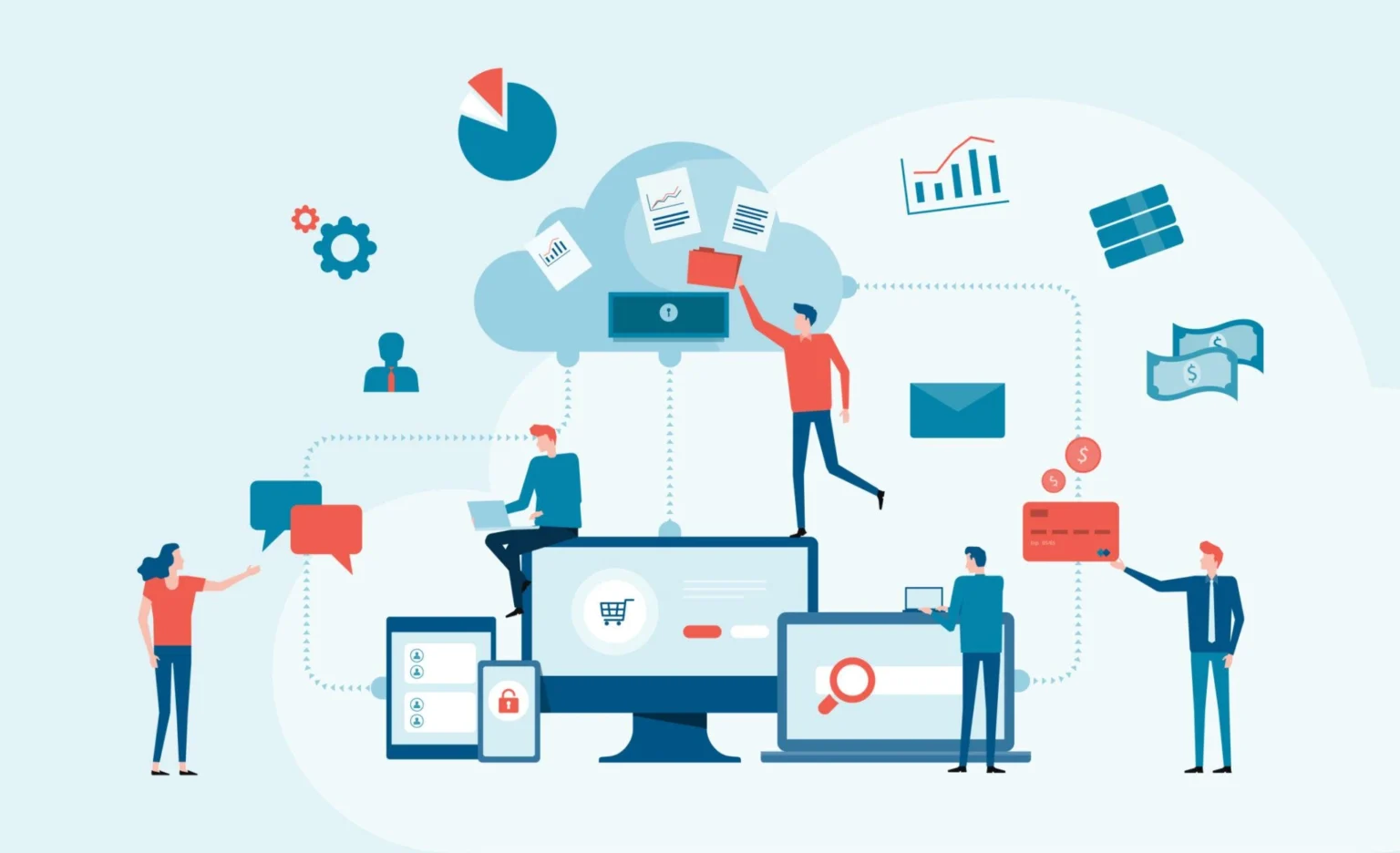

Businesses today are operating in an environment where speed, flexibility, and digital accessibility have become essential for growth. This shift is one of the biggest reasons organizations across industries are moving toward cloud-based SaaS platforms to manage operations more efficiently. Traditional software systems often require expensive infrastructure, complicated maintenance, and long deployment cycles that slow business progress.
- Why Businesses Are Moving Away From Traditional Software Models
- The Cost Advantages of SaaS Adoption
- How SaaS Improves Team Collaboration and Productivity
- Why Scalability Matters in Today’s Digital Economy
- The Role of SaaS in Data Security and Reliability
- How SaaS Supports Faster Innovation
- Preparing Businesses for a Cloud-Driven Future
Cloud-based SaaS solutions simplify these challenges by delivering scalable applications that businesses can access from anywhere with minimal technical complexity. As digital transformation continues accelerating, technology insights consistently show that organizations adopting SaaS platforms are gaining stronger operational agility and better long-term scalability.
Why Businesses Are Moving Away From Traditional Software Models
Legacy software systems were designed for a different business environment where on-premise infrastructure dominated daily operations. While these systems once served organizations effectively, they often struggle to meet modern demands for remote accessibility, rapid updates, and seamless collaboration.
Cloud-based SaaS platforms remove many of these limitations by allowing businesses to use software through internet-based environments without maintaining complex hardware systems internally. IT industry reports frequently highlight how organizations are reducing infrastructure dependency in favor of more flexible cloud-first solutions. This transition allows businesses to deploy tools faster while reducing maintenance responsibilities.
The Cost Advantages of SaaS Adoption
One of the strongest reasons businesses choose SaaS platforms is cost efficiency. Traditional enterprise software typically requires large upfront investments for licensing, hardware, upgrades, and technical support. These expenses can place significant pressure on growing businesses.
SaaS platforms usually operate through subscription-based pricing models, allowing organizations to pay only for the services they need. Finance industry insights often emphasize how predictable operational costs help businesses manage budgets more effectively while improving resource allocation. Lower infrastructure and maintenance costs also make SaaS solutions attractive for startups and scaling companies seeking affordable digital tools.
How SaaS Improves Team Collaboration and Productivity
Modern businesses rely heavily on collaboration across departments, locations, and remote work environments. SaaS platforms support this need by enabling teams to access shared tools, documents, and workflows in real time from multiple devices.
Human resources and workplace productivity research consistently show that cloud collaboration improves communication speed and workflow efficiency. Employees can work more effectively when systems remain synchronized across teams without relying on outdated manual processes. This accessibility also supports hybrid and remote work models that continue growing across industries.
Why Scalability Matters in Today’s Digital Economy
Scalability has become one of the most important priorities for modern organizations. Businesses need systems capable of growing alongside operational demands without requiring constant infrastructure rebuilding.
Cloud-based SaaS platforms offer flexible scalability that allows companies to expand users, storage, and functionality as needed. Technology trend analysis regularly highlights how scalable cloud systems help businesses respond faster to changing market conditions and customer expectations. Organizations no longer need to overinvest in infrastructure years before growth occurs, making expansion more manageable and efficient.
The Role of SaaS in Data Security and Reliability
Data protection and operational reliability remain major concerns for businesses handling sensitive information and critical workflows. Modern SaaS providers invest heavily in security infrastructure, automatic updates, backup systems, and compliance standards to protect customer data.
IT industry news frequently demonstrates how cloud providers continuously strengthen cybersecurity frameworks to address evolving digital threats. Automatic software updates also help organizations maintain system reliability without the downtime and complexity often associated with traditional software maintenance. Businesses benefit from improved performance while reducing the burden on internal IT teams.
How SaaS Supports Faster Innovation
The digital marketplace moves quickly, requiring businesses to adapt faster than ever before. SaaS platforms support innovation by providing regular feature updates, integrations, and evolving capabilities without requiring large-scale system replacements.
Marketing and business strategy insights consistently show that organizations capable of adopting new tools quickly often gain competitive advantages in customer experience and operational efficiency. SaaS solutions allow companies to experiment, scale, and evolve without the long delays typically associated with traditional enterprise software deployments.
Preparing Businesses for a Cloud-Driven Future
The future of business operations is becoming increasingly cloud-focused as organizations prioritize flexibility, accessibility, and digital scalability. Companies adopting SaaS platforms today are building operational foundations better suited for future market demands and technological evolution.
Following technology insights, finance updates, and workplace transformation trends helps businesses identify where SaaS solutions can create the greatest value. Organizations that invest in adaptable cloud infrastructure are more likely to remain competitive while supporting long-term growth and innovation.
For expert guidance on SaaS adoption, cloud transformation, and digital business strategy, connect with BusinessInfoPro. Our team delivers insights and solutions that help organizations modernize operations and grow with greater confidence.