
A Shift That Reshaped Workplace Engagement
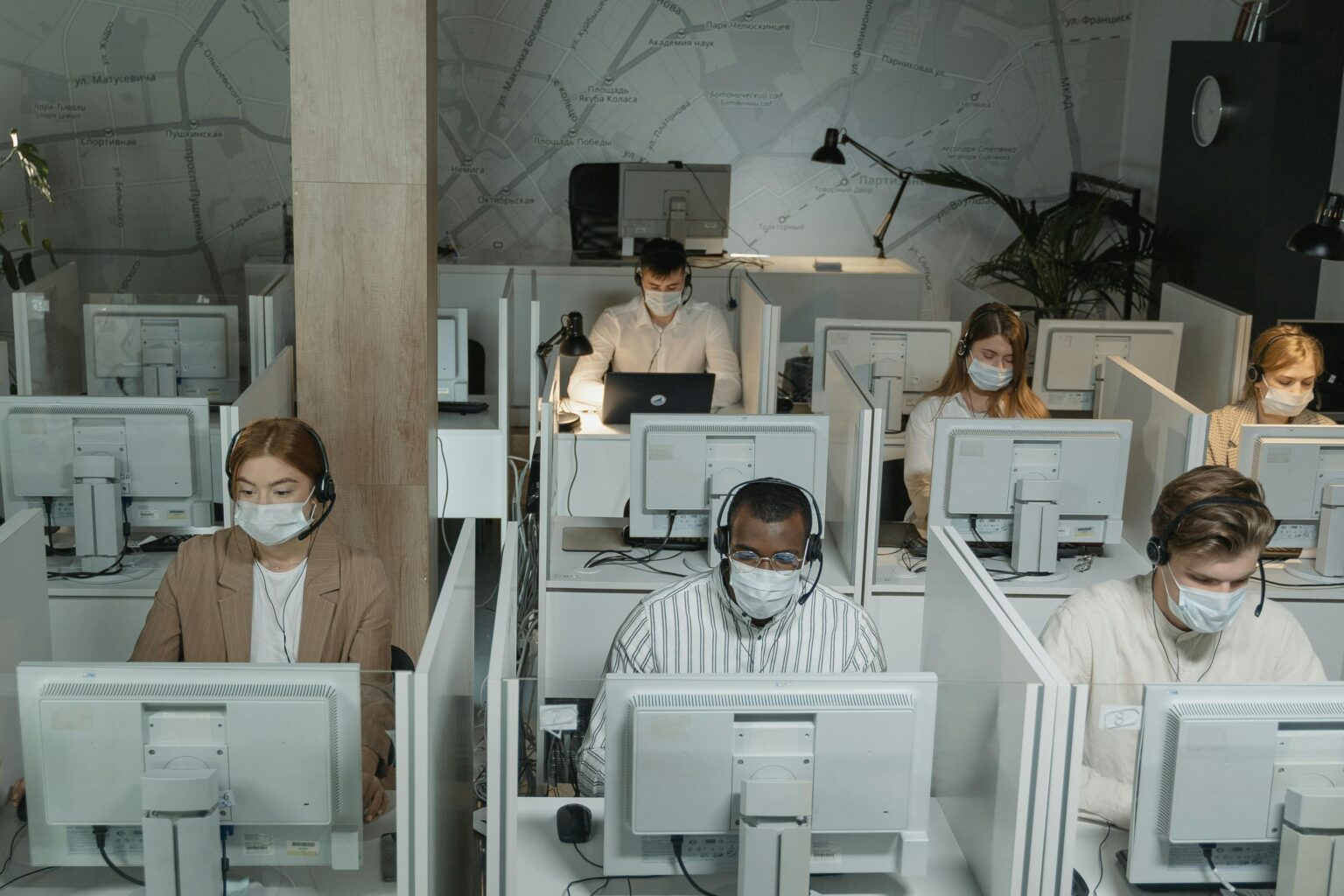
When the global pandemic disrupted businesses worldwide, many organizations initially feared declining morale and productivity. Surprisingly, many companies observed the opposite trend. Employee engagement increased during the pandemic, prompting leaders and researchers to rethink traditional assumptions about how motivation and performance are built in the workplace.
- A Shift That Reshaped Workplace Engagement
- Remote Work Strengthened Trust and Autonomy
- Technology Became a Bridge for Connection
- Leadership Became More Empathetic
- Purpose and Meaning Became Stronger Motivators
- Work-Life Integration Improved
- Continuous Feedback and Recognition
- Lessons for Modern Organizations
- Moving Forward With Stronger Engagement Strategies
This shift was driven by several interconnected changes. Organizations restructured communication, adopted new technologies, and embraced more flexible work arrangements. These adjustments transformed how employees interacted with their work and with leadership.
As companies adapted, engagement improved not because the circumstances were easy, but because the workplace began evolving in ways that aligned better with employee needs.
Remote Work Strengthened Trust and Autonomy
One of the most significant drivers of increased engagement was the rapid adoption of remote work. When offices closed, organizations had to rely more on trust rather than physical oversight.
Employees were given greater control over how they managed their schedules and responsibilities. This autonomy encouraged stronger accountability and ownership of tasks. Many professionals reported feeling more respected and empowered, which positively influenced motivation.
These changes aligned with emerging HR trends and insights emphasizing flexibility, autonomy, and employee wellbeing. Over time, organizations moved away from rigid supervision toward outcome-based performance models.
Sales teams, for example, shifted focus toward results rather than time spent in the office. This evolution also influenced sales strategies and research, where productivity began to be measured by outcomes instead of hours worked.
Technology Became a Bridge for Connection
Another key factor explaining why employee engagement increased during the pandemic was the rapid expansion of digital collaboration tools.
Organizations adopted video conferencing platforms, project management tools, and cloud-based systems to maintain productivity while teams worked remotely. These technology insights demonstrated how digital tools could enable seamless collaboration even when employees were physically separated.
In the context of IT industry news, the pandemic marked a turning point in how businesses viewed workplace technology. Instead of being seen only as operational infrastructure, digital platforms became essential tools for communication, transparency, and collaboration.
Frequent virtual meetings, shared workspaces, and instant messaging platforms allowed teams to stay informed and aligned with organizational goals. This improved communication helped employees feel more connected to their teams and their company’s direction.
Leadership Became More Empathetic
The pandemic also changed leadership behavior in meaningful ways. Managers were suddenly interacting with employees through video calls, often seeing glimpses of their home lives and personal circumstances.
This new visibility created a more human connection between leaders and employees. Many managers adopted more empathetic leadership styles, recognizing the challenges their teams were facing.
Communication also increased during this period. Leaders shared updates about company performance, future plans, and employee wellbeing more frequently than before. This transparency helped reduce uncertainty and strengthen trust.
According to finance industry updates during the pandemic, many organizations shifted focus toward long-term workforce stability rather than short-term performance pressures. This supportive leadership environment played an important role in maintaining high engagement levels.



Purpose and Meaning Became Stronger Motivators
During the pandemic, many employees reevaluated their priorities and career goals. As a result, purpose-driven work became increasingly important.
Organizations that communicated a clear mission or demonstrated social responsibility saw stronger engagement from their workforce. Employees were more motivated when they felt their work contributed to something meaningful during a challenging global moment.
Insights from marketing trends analysis showed that purpose-driven organizations performed better not only in the market but also internally. When employees believed their work aligned with their personal values, commitment and motivation increased.
This sense of shared purpose helped explain why engagement remained strong despite the uncertainties of the period.
Work-Life Integration Improved
Although remote work initially created challenges for balancing personal and professional responsibilities, many employees eventually experienced improved work-life integration.
Without daily commutes, employees gained additional time for family, health, and personal development. Companies that encouraged flexible schedules and respected personal boundaries saw higher morale and productivity.
This change addressed long-standing concerns highlighted in HR trends and insights regarding employee burnout and work-life imbalance. When employees felt that their personal lives were respected, they became more committed and engaged in their work.
Even as organizations transition toward hybrid models, this expectation for flexibility continues to influence modern workplace strategies.
Continuous Feedback and Recognition
Digital tools also made it easier for organizations to collect feedback and recognize employee achievements.
Many companies introduced regular virtual check-ins, pulse surveys, and online recognition programs. These initiatives allowed employees to share their concerns and ideas more easily than in traditional office environments.
Research connected to sales strategies and research indicated that consistent recognition significantly improves motivation and productivity. When employees received frequent acknowledgment for their contributions, engagement levels increased.
Because recognition no longer depended on physical presence, employees across different locations felt equally valued.
Lessons for Modern Organizations
The experience of the pandemic revealed important insights about what truly drives employee engagement.
Organizations that prioritize trust, flexible work models, and empathetic leadership are better positioned to maintain motivated teams. Digital tools should be used to strengthen communication and collaboration rather than simply increase monitoring.
Staying informed through IT industry news, technology insights, and finance industry updates helps leaders anticipate workforce expectations and adapt strategies accordingly.
Companies can also benefit from applying marketing trends analysis internally by aligning organizational purpose with employee values and creating stronger workplace cultures.
Moving Forward With Stronger Engagement Strategies
The increase in employee engagement during the pandemic demonstrated that engagement is not tied to physical office environments. Instead, it depends on leadership style, workplace culture, and the tools organizations use to support their teams.
By continuing to build on these lessons, businesses can create workplaces that encourage motivation, innovation, and long-term commitment.
Ittrendswire provides expert insights across technology insights, HR trends and insights, finance industry updates, marketing trends analysis, IT industry news, and sales strategies and research to help organizations strengthen their leadership and workforce strategies.
Connect with Ittrendswire to explore insights that support smarter leadership and stronger employee engagement in today’s evolving workplace.