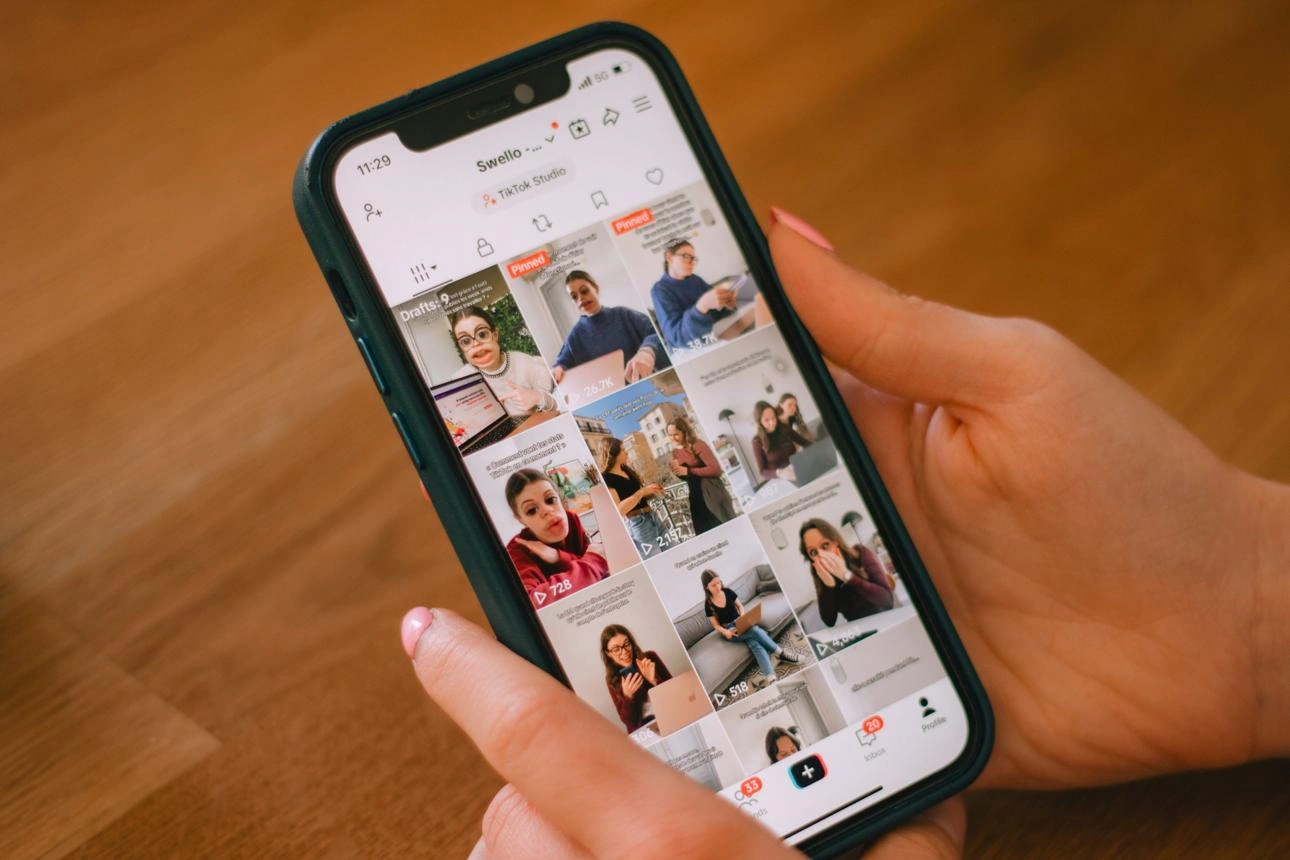

When TikTok first became popular, many people dismissed it as another entertainment app for short dance videos and internet trends.
- The Algorithm Became More Important Than Followers
- Attention Spans Didn’t Shrink — Competition Increased
- TikTok Influenced Every Major Platform
- The Platform Turned Ordinary Users Into Media Companies
- Brands Were Forced to Stop Looking Like Advertisements
- Data and AI Quietly Powered Everything
- The Business Impact Became Massive
- The Future Internet May Become Fully Algorithmic
- TikTok Was Never Just a Social App
That assumption aged very badly.
Because TikTok did not simply become a successful social media platform.
It fundamentally changed how the internet distributes attention.
And once attention changes, entire industries start shifting around it.
The Algorithm Became More Important Than Followers
Older social media platforms were heavily based on social graphs.
People mostly saw content from accounts they followed.
TikTok changed the model completely.
Instead of prioritizing relationships, the platform prioritized engagement prediction. Its algorithm pushed content based on how likely users were to keep watching, regardless of whether they followed the creator or not.
This created something powerful:
unknown people could suddenly reach millions overnight.
The internet became less about existing popularity and more about algorithmic performance.
That changed creator culture permanently.
Attention Spans Didn’t Shrink — Competition Increased
People often say TikTok destroyed attention spans.
The reality is more complicated.
What actually changed was competition for attention.
Every video now competes instantly against thousands of others. Users swipe away within seconds if content feels slow, confusing, or uninteresting.
This forced creators, brands, and media companies to rethink storytelling completely.
Openings became faster.
Editing became tighter.
Messaging became more immediate.
The internet shifted toward high-speed communication optimized for instant engagement.
TikTok Influenced Every Major Platform
One of the clearest signs of TikTok’s impact is that almost every major platform copied it.
Instagram pushed Reels.
YouTube expanded Shorts.
Facebook prioritized vertical video.
Streaming platforms adjusted recommendation systems.
Even news and education content became shorter and faster.
This is what happens when user behavior changes at scale.
Platforms stop competing only through features.
They start redesigning themselves around new consumption habits.
And TikTok altered those habits globally in an unusually short amount of time.
The Platform Turned Ordinary Users Into Media Companies
Previously, building online audiences often required expensive equipment, production teams, or large budgets.
TikTok lowered that barrier dramatically.
A phone, basic editing skills, and strong storytelling became enough to reach enormous audiences.
This created a new generation of:
solo creators,
small businesses,
educators,
freelancers,
and niche experts building personal brands online.
The platform democratized visibility in a way traditional media never fully allowed.
Brands Were Forced to Stop Looking Like Advertisements
TikTok also changed digital marketing psychology.
Traditional polished advertising often performs poorly on platforms driven by authenticity and relatability.
Users respond more strongly to:
raw storytelling,
personality,
humor,
behind-the-scenes content,
and emotionally engaging videos.
This forced brands to adapt.
Many companies now create content that feels less like advertising and more like participation in internet culture itself.
The tone of online marketing became more human, casual, and personality-driven because audiences increasingly reject overly corporate messaging.
Data and AI Quietly Powered Everything
Behind TikTok’s simplicity sits an extremely advanced recommendation system.
The platform continuously analyzes:
watch time,
rewatches,
scroll speed,
engagement behavior,
audio usage,
and interaction patterns.
This allows the algorithm to personalize feeds with extraordinary precision.
In many ways, TikTok demonstrated how powerful AI-driven recommendation systems could become when optimized entirely around engagement behavior.
And that level of personalization is now influencing the broader internet ecosystem far beyond social media.
The Business Impact Became Massive
TikTok’s influence now extends into:
music,
fashion,
e-commerce,
news,
politics,
gaming,
and even search behavior.
Products go viral overnight.
Songs become global hits from short clips.
Restaurants suddenly become overcrowded after trending videos.
Small businesses explode through organic reach.
The platform turned internet attention into real economic force at incredible speed.
The Future Internet May Become Fully Algorithmic
One of the most important long-term effects of TikTok is that it accelerated the shift toward algorithm-controlled discovery.
People increasingly consume content selected by AI systems rather than actively searching for it themselves.
This changes how businesses think about visibility online.
Success now depends less on simply existing online and more on understanding how algorithmic ecosystems reward engagement.
And because algorithms constantly evolve, the internet itself feels more unpredictable than ever.
TikTok Was Never Just a Social App
What makes TikTok historically important is not only its popularity.
It is the behavioral shift it created.
The platform changed:
how people consume content,
how brands communicate,
how creators grow audiences,
how trends spread,
and how digital attention operates globally.
And once human behavior changes at internet scale, almost every technology company is eventually forced to adapt around it.